
Material Focus: Why Crystalline Glass is Replacing Lead-Crystal in 2026
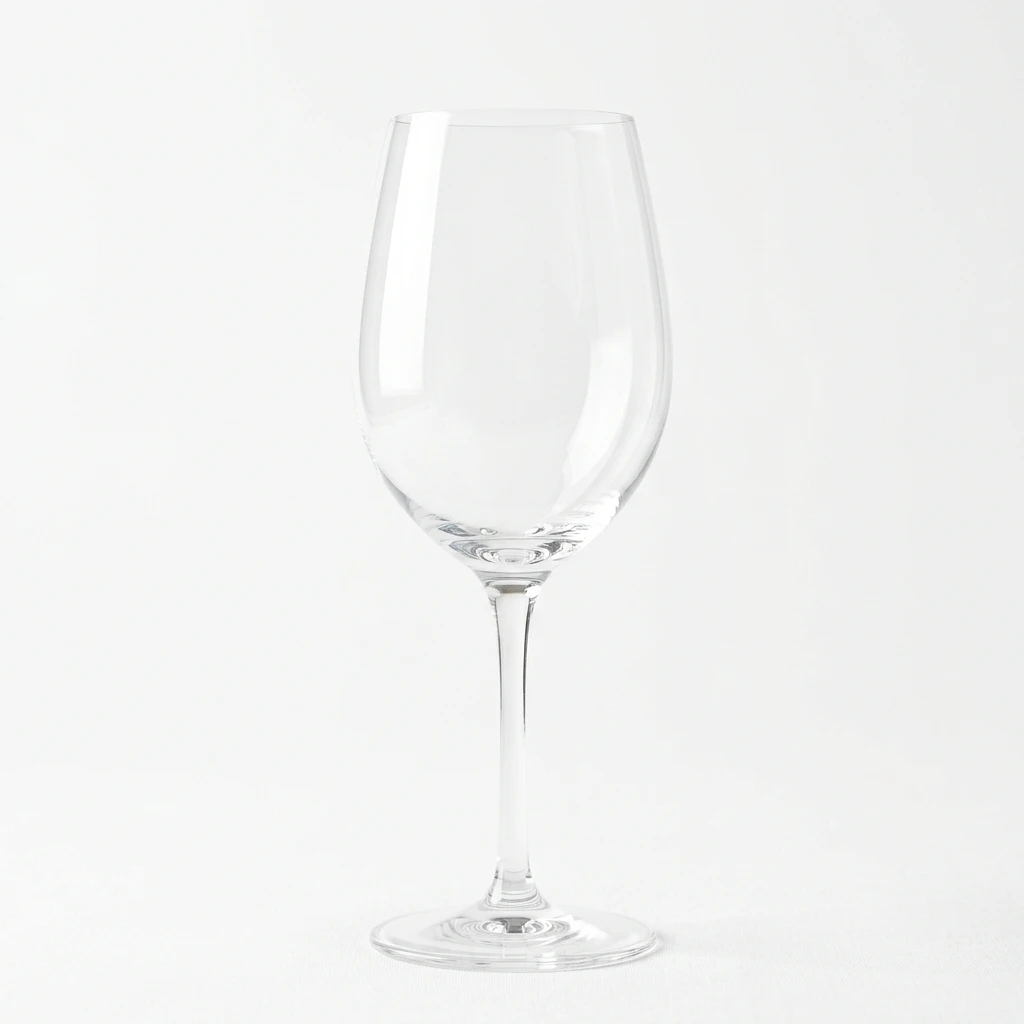
Material Focus: Why Crystalline Glass is Replacing Lead-Crystal in 2026
In the global glassware industry, the shift toward material safety and environmental responsibility is no longer a niche preference—it is a regulatory mandate. For 2026, professional importers in South America are moving away from traditional lead-based crystal in favor of Lead-Free Crystalline Glass. This transition is driven by a combination of health safety compliance, superior clarity, and the demands of the eco-conscious hospitality sector.
I. Brilliance Without Toxicity: The Rise of Crystalline
Historically, lead oxide was added to glass to increase its refractive index and brilliance. However, modern material science has developed crystalline glass—a high-end material that uses titanium or barium oxides instead of lead. This ensures the same "prismatic" light refraction and the signature "ping" sound when clinked, without the risk of lead leaching into acidic beverages like wine or spirits.
B2B Advantage: Lead-free crystalline is generally lighter and more resistant to clouding in commercial dishwashers compared to traditional lead crystal.
II. Global Compliance & Sustainability
With tightening international regulations (such as REACH and FDA standards) increasingly impacting imports in Chile and Colombia, stocking lead-free crystalline is a strategy for long-term compliance. High-end hotels and Michelin-starred restaurants are now auditing their supply chains for material safety, making certified lead-free products the "gold standard" for B2B procurement in 2026.
III. Material Performance Matrix
| Metric | Traditional Lead Crystal | Hestia Crystalline 2026 |
|---|---|---|
| Safety Profile | Lead Content (Risk of leaching) | 100% Lead-Free (Food Safe) |
| Clarity & Refraction | High | Ultra-High (Titanium Enhanced) |
| Dishwasher Durability | Low (Prone to etching) | High (Commercial Grade) |
Sourcing Strategy Summary
Q: Is there a significant price difference between the two materials?
A: While the production of high-grade lead-free crystalline requires specialized furnace technology, the landed cost value is often better due to lower breakage rates and the ability to market the products as "Sustainable Premium" items.