
Why Texture Matters: The Sensory Experience of Whiskey Glassware
Why Texture Matters: The Sensory Experience of Whiskey Glassware
In the competitive landscape of 2026, the retail glassware market is shifting from visual-only aesthetics to a deep focus on sensory intelligence. For high-end importers in Chile and Peru, the question is no longer just "does it look good?" but "how does it feel in the hand?" This tactile connection is what drives repeat purchases and justifies premium retail margins.
I. The Physics of Weight: The Heavy-Base Effect
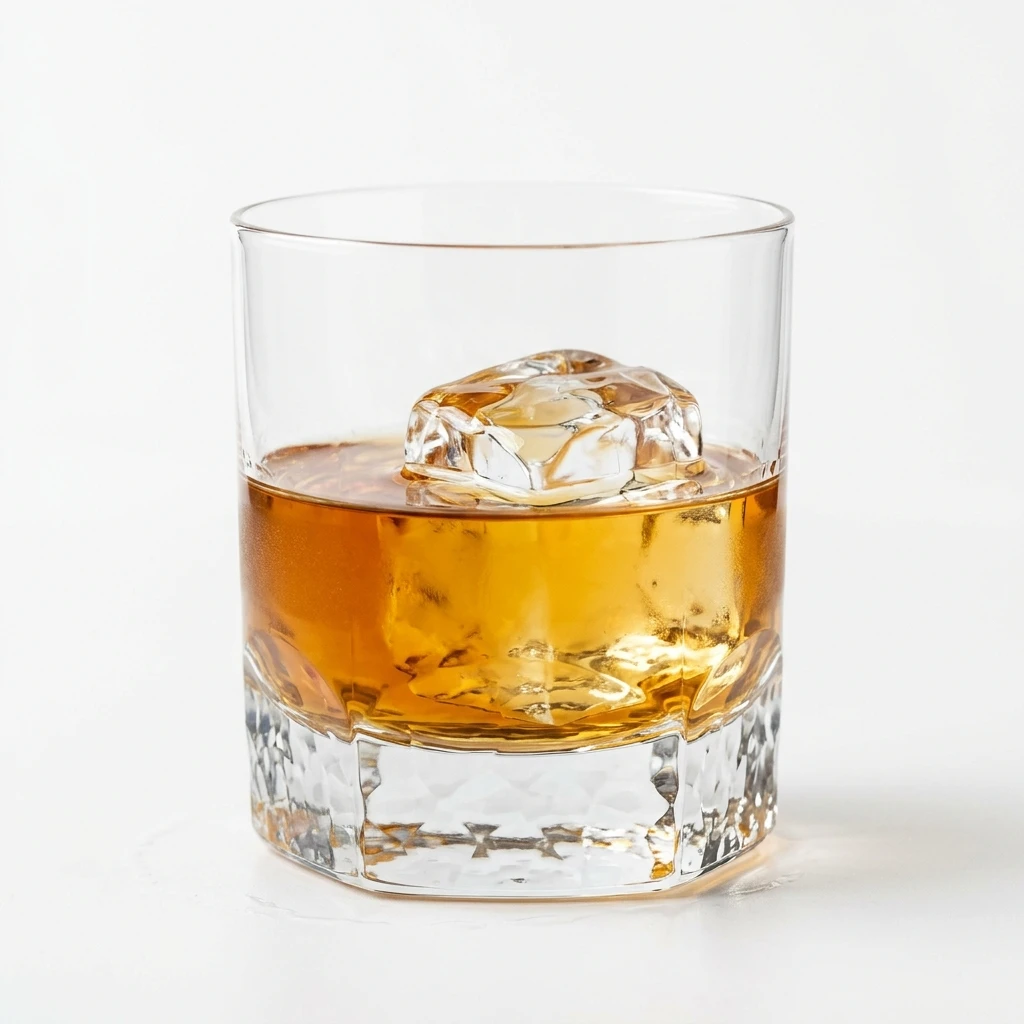
Research indicates that consumers perceive beverages as "higher quality" when served in heavier glassware. A thick, weighted base provides a psychological anchor of reliability. At Hestia, our 2026 barware collection features a "Hammered Gravity" base—designed to lower the center of gravity and provide a substantial, professional feel that instantly elevates the drinking experience.
B2B Advantage: Heavier glassware reduces tip-over accidents in hospitality environments, lowering replacement costs for your corporate clients.
II. Light Play: Geometric Textures & Liquid Amber
Texture isn't just for the hand; it's for the eyes. Geometric and hammered textures act as miniature prisms, breaking up light and reflecting the amber tones of spirits with increased brilliance. This "prismatic effect" makes the liquid appear more vibrant and aged, directly influencing the consumer's perception of value.
III. B2B Sourcing: Positioning for the South American Market
For importers targeting the Father's Day (Día del Padre) gift peak, textured glassware offers a clear differentiation point from standard supermarket stock. Positioning these items as "Sensory Professional Tools" rather than just "cups" allows for a 30-50% markup in boutique retail settings.
| Metric | Standard Glass | Hestia Textured Series |
|---|---|---|
| Base Weight | 120g - 150g | 280g - 320g |
| Refraction Index | Low | High (Prismatic) |
Sourcing Strategy Summary
Q: How does texture affect retail turnover?
A: Items with tactile differentiation show 40% higher engagement in-store, as customers are more likely to pick them up—a critical precursor to purchase.